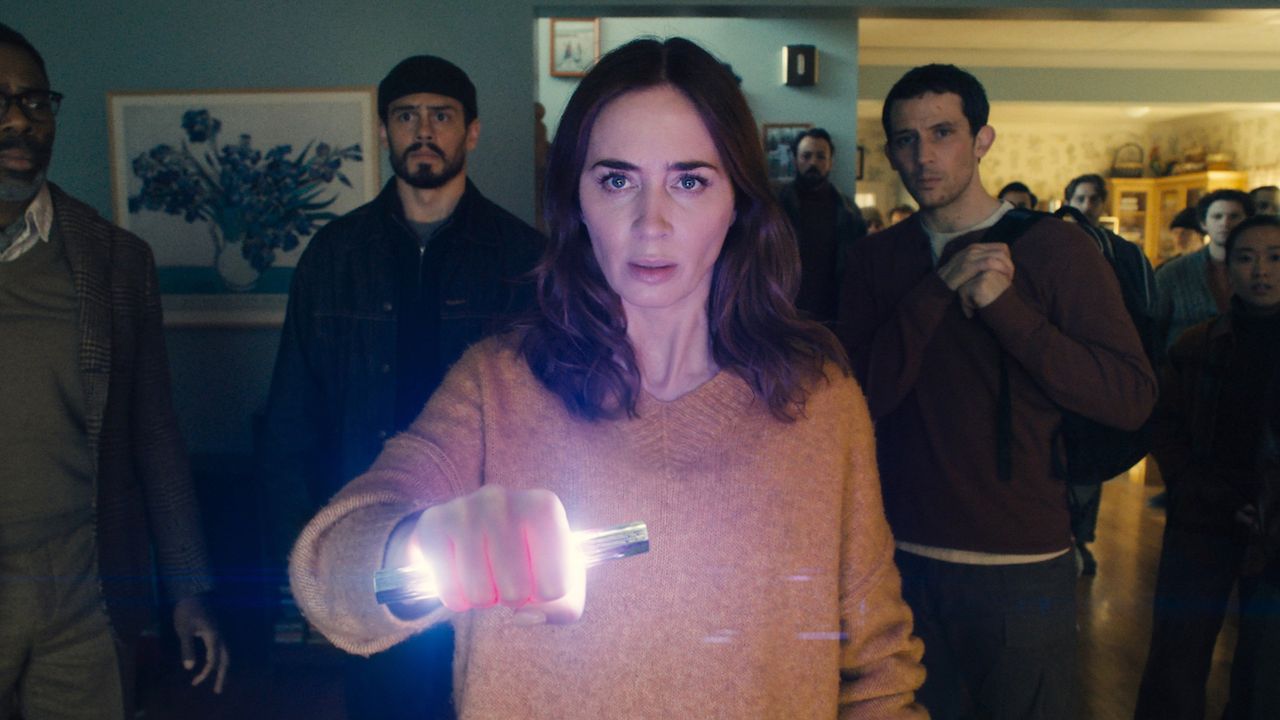
Vanity Fair's report treats Steven Spielberg's Disclosure Day as more than a genre movie. The piece places the film inside a real-world ecosystem of UAP researchers, former officials, experiencers, and disclosure advocates who have spent the past decade arguing that the public conversation has moved faster than government transparency.
The article's central news value is the reaction from real UFO figures. Instead of judging the film only as entertainment, they read it as a mainstream portrayal of claims they have heard repeatedly: witnesses who say they saw something they cannot explain, officials who hint at hidden files, and communities that feel the subject has been ridiculed for too long.
Spielberg's involvement gives the project unusual cultural weight. His earlier alien-contact films helped define how American audiences imagine first contact, secrecy, and wonder. Disclosure Day appears to operate in a different register: less fairy-tale awe, more argument over whether institutions have withheld information from the public.
The report also shows how UFO coverage has changed. A film premise that might once have been treated as pure science fiction now lands alongside congressional hearings, whistleblower testimony, AARO reports, and military UAP videos. That proximity gives entertainment coverage a news dimension.
The unresolved issue is evidence. A movie can capture the emotional reality of belief and testimony, but it cannot validate a specific UAP case. Vanity Fair's story matters because it shows how strongly the UFO community wants mainstream culture to handle experiencers with seriousness rather than irony.