United States / 1950 / DISPUTED

Mariana UFO film

A documented UFO/UAP case from United States, 1950. Mariana UFO film is a 1950 UFO/UAP case centered on Great Falls, Montana. Nicholas Mariana filmed bright objects over Great Falls in one of the early motion-picture UFO cases. This dossier separates what was reported, what evidence exists, what institutions or public sources said, and which conventional explanations remain plausible.
United States195047.50N / 111.30W
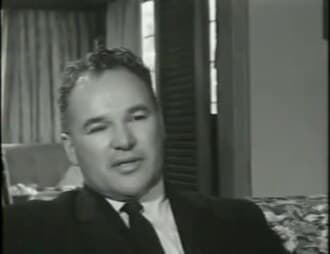
Archive visual context generated from the case location and evidence profile, not presented as event proof.
CredibilityB
StatusDISPUTED
Evidence types3
Official sources0
Last reviewed2026
Archive assessment

This case is disputed. The archive preserves the claims while separating evidence from interpretation.

Documentation
Limited documentation
Primary location
Great Falls, Montana
Source base
1 linked records
Research use
Comparison case

Case dossier

What happened: Nicholas Mariana filmed bright objects over Great Falls in one of the early motion-picture UFO cases. The case is centered on Great Falls, Montana, United States, and is indexed in this archive with status actively disputed and credibility grade B. The important first step is to keep the basic event separate from later interpretation: what was reported, when it was reported, where it was placed, and what kinds of evidence are actually available.

Why the setting matters: The public chronology begins with this anchor point: Mariana UFO film is reported in Great Falls, Montana. From there, the story entered UFO/UAP discussion because it involved film, witness, official review. Mariana UFO film belongs to Great Falls, Montana and the broader United States record of unusual aerial reports. The year 1950 matters because technology, military activity, media habits, astronomy knowledge, and public UFO expectations all shape how reports are made and remembered.

Witness and observation record: Nicholas Mariana filmed bright objects over Great Falls in one of the early motion-picture UFO cases. In this dossier, the observation layer is tied to Great Falls, Montana, to the chronology beginning with "Mariana UFO film is reported in Great Falls, Montana.", and to evidence categories including film, witness, official review. The useful details are the observers involved, where they were, what they said they saw, whether separate accounts describe the same behavior, and which parts of the account are supported by records outside the testimony itself. This makes the case more useful than a generic sighting note: readers can compare the reported location, timing, described behavior, and available documentation before judging any stronger interpretation.

Evidence record: The evidence base for Mariana UFO film includes film, witness, official review. These materials are not all equal. Some evidence types establish that an event was reported; others may support a physical observation, a media trail, official attention, or only later folklore. The current source trail includes 1 linked record(s), with publishers or source labels including: Wikipedia overview.

Image and video record: Visual material is central to this case, but it has to be handled carefully. Photographs, film, video, or screenshots can preserve real information while still leaving scale, distance, exposure, editing history, and camera behavior unresolved. The strongest media evidence would include original files, metadata, location, direction of view, and independent analysis.

Official record: The film was examined in early U.S. Air Force UFO investigations. This official or institutional layer is important because it fixes what was actually acknowledged, investigated, explained, or left unresolved. It should not be overstated: an investigation confirms interest in a report, not an extraordinary origin by itself.

Possible explanations: Reflections from aircraft and image-quality limitations are frequent skeptical issues. Interpretation: This case remains disputed. The public record supports that a claim or report circulated, but the stronger interpretation depends on how much weight readers give to witness testimony, images, official context, and alternative explanations. A useful reading tests ordinary aircraft, drones, balloons, astronomical objects, military activity, sensor limits, camera perspective, social amplification, and memory reconstruction before making any stronger claim.

Mariana UFO film remains disputed, so the useful skeptical standard is evidence-specific: what would actually move the assessment? For a case tagged film, montana, classic, that means looking for independent contemporaneous witnesses, original statements, and records that pin down distance, direction, duration, and lighting. Until those materials exist, the archive should preserve the claim, the best conventional explanations, and the limits of the record without making the mystery look more settled than it is.

Why this belongs in a UFO/UAP archive: Mariana UFO film is useful because it can be compared with cases tagged film, montana, classic. That comparison helps readers see whether the pattern is driven by witness type, evidence type, location, era, media spread, military context, or unresolved technical details. The archive preserves the case so the strongest claims, weakest links, and most plausible explanations can be read together.

Timeline

  • Mariana UFO film is reported in or associated with Great Falls, Montana.
  • Public discussion focuses on film, witness, official review, along with questions about official context and alternative explanations.
  • Researchers and reference sources compare the case with other reports tagged film, montana, classic.
  • The dossier is reviewed for source quality, evidence type, official context, and skeptical explanations.

Evidence matrix

Reported evidencefilm

Cataloged as a research lead. Weight depends on provenance, chain of custody, and independent corroboration.

Reported evidencewitness

Cataloged as a research lead. Weight depends on provenance, chain of custody, and independent corroboration.

Reported evidenceofficial review

Cataloged as a research lead. Weight depends on provenance, chain of custody, and independent corroboration.

Evidence assessment

The evidence base for Mariana UFO film includes film, witness, official review. These are not all equal. Some evidence types establish that an event was reported; others may support a physical observation, a media trail, official attention, or only later folklore.

The strongest elements are those with a clear date, location, original source, and independent corroboration. A pilot report, police log, radar return, photograph, school group testimony, or official file each has different evidentiary value, and each can fail in different ways.

The weakest elements are late retellings, copied summaries, cropped images, anonymous online posts, missing metadata, or claims that grew after the case became famous. These do not automatically disqualify a case, but they lower the confidence of any strong conclusion.

For this dossier, the practical question is: what would change the assessment? Useful future material would include original reports, full-resolution media, sensor logs, flight records, contemporary newspaper coverage, official correspondence, or independently verifiable witness details.

filmwitnessofficial review

Official context

The film was examined in early U.S. Air Force UFO investigations.

The source trail currently includes 1 linked record(s), with publishers or source labels including: Wikipedia overview. These sources are used first to establish dates, places, names, institutional involvement, and published explanations.

Official attention should be read carefully. A government file, military note, police response, aviation investigation, or scientific review can confirm that a report was taken seriously, but it does not by itself prove an extraordinary origin.

When official material is absent or incomplete, the archive should show that gap clearly. In those cases, confidence depends more heavily on primary witnesses, source proximity, media provenance, and whether ordinary explanations fit the central details.

Skeptical notes

Reflections from aircraft and image-quality limitations are frequent skeptical issues.

For Mariana UFO film, skeptical review should stay anchored to Great Falls, Montana in 1950, not to a generic checklist. The current file is built around film, witness, official review and one linked source; ordinary explanations should be tested against those specific materials, viewing conditions, and dates before the case is treated as anything stronger than disputed. Original media, metadata, camera position, exposure, edits, and independent copies matter more than screenshots or later reposts.

Mariana UFO film remains disputed, so the useful skeptical standard is evidence-specific: what would actually move the assessment? For a case tagged film, montana, classic, that means looking for independent contemporaneous witnesses, original statements, and records that pin down distance, direction, duration, and lighting. Until those materials exist, the archive should preserve the claim, the best conventional explanations, and the limits of the record without making the mystery look more settled than it is.

Sources