
France / 1982 / DISPUTED
1982 Laxou L'Amarante UFO case
On 21 October 1982, an anonymized biologist identified in GEPAN's report as Henri said a bright oval object approached from the southeast, hovered about one metre above his garden in Laxou for roughly twenty minutes and then rose rapidly. He was the only reported observer. His camera jammed, and he told investigators that it had malfunctioned before. Gendarmes sampled wilted amaranth the next morning; GEPAN later reconstructed the report, reviewed radar data and commissioned plant analysis. The samples differed in water content and several biochemical measures, but collection delays, refrigeration, frost, plant maturity, fertilizer, drainage, disease and uneven growing conditions were not controlled. Technical Note No. 17 concluded that the biological work yielded no tangible result from which a cause could be drawn. The case is therefore a documented but disputed single-witness report, not proof that an unusual craft affected the plants.
This case is disputed. The archive preserves the claims while separating evidence from interpretation.
- Documentation
- High documentation
- Primary location
- Laxou, Meurthe-et-Moselle
- Source base
- 5 linked records
- Research use
- Comparison case
What the record supports
- Witness boundary
- Henri was the only reported observer; no photograph or independent instrument record confirms the object.[1]
- Camera record
- The camera jammed, and Henri said it had failed before; the malfunction is not evidence of electromagnetic interference.[1]
- Documented response
- Gendarmes sampled plants the next morning, and GEPAN conducted a field investigation eight days later.[1]
- Plant findings
- Wilted and control samples differed, but the laboratories could not determine when the differences arose or what caused them.[1]
Case dossier
At about 12: 35 p.m. on Thursday, 21 October 1982, Henri said he noticed a brilliant object approaching his house from the southeast. He first interpreted it as an aircraft. As it drew nearer, he described an oval form about 1.5 metres across and 0.8 metres high, with a bright surface that did not dazzle him. According to his statement, it stopped about one metre above the garden, roughly half a metre from him, remained there without noise, heat, cold or other physical sensation, and then departed vertically at high speed. He repeatedly estimated the stationary interval at exactly twenty minutes, although times preserved in the police and telex records imply an interval of about twenty-one to twenty-three minutes.
No second person was reported to have seen the object. Henri attempted to use a camera, but the shutter or mechanism jammed; he also told investigators that the camera had failed on earlier occasions. Consequently, there is no event photograph, film or instrument record to compare with the description. The camera failure is part of the contemporaneous account, but it does not independently support interference by the reported object. Nor did Henri report burns, illness, electromagnetic measurements or a lasting ground mark. The physical lead emerged only after he returned later that day and found the upper parts of several amaranth plants wilted.
The couple contacted the gendarmerie at about 6 p.m. Officers recorded the statement under report No. 1056 and, on the morning of 22 October, collected the first wilted and comparison plants. GEPAN learned of the case on 23 October, decided to intervene on 27 October and visited Laxou on 29 October. Investigators interviewed Henri again, reconstructed sight lines and timing, photographed the garden and took further samples. By then Henri had removed plants from their original positions, so the GEPAN team could not observe the alleged affected plants in situ. The official note nevertheless preserves the sequence of interviews, sample transfers and laboratory requests in unusual detail.
The sampling history matters as much as the measurements. Gendarmes collected material on 22 and 27 October; GEPAN collected another series on 29 October. Some bags were sealed and others were not. The first samples spent time in a gendarmerie refrigerator at about 4–5 °C, while later samples were placed in liquid nitrogen; all were transferred to a freezer on 30 October. The report's plant specialists warned that refrigeration and later freezing did not immediately stop enzyme activity. They also lacked a pre-event baseline and fully matched controls for illumination, soil, fertilizer, treatment, disease, drainage and weather. These limits make the analyses exploratory rather than a controlled test of the witness's proposed causal sequence.
Laboratory work found that the visibly wilted sample contained about 40 percent water compared with about 80 percent in a control sample, along with qualitative differences in sugars, amino acids and other plant chemistry. Yet the analysts repeatedly cautioned that mature seeds, seasonal development, nitrogen fertilization, a nearby drain, parasites, injury and frost could alter the same variables. The temperature had fallen below freezing on the preceding day, with light mist or fog noted in the period. Technical Note No. 17 ultimately stated that the biochemical study raised more questions than answers and that no conclusion could be drawn from it. The value of the file lies in its transparent documentation of an inconclusive investigation, not in a laboratory confirmation of an exotic object.
Timeline
- Henri reports a bright oval object approaching, hovering above the garden and departing vertically; the record contains a small timing inconsistency around his exact twenty-minute estimate.
- The couple contacts the gendarmerie, which records report No. 1056.
- Gendarmes take the first wilted and comparison plant samples and transmit the case through official channels.
- GEPAN is informed of the Laxou report.
- GEPAN decides on a field intervention; gendarmes collect an additional sample series.
- GEPAN interviews Henri, reconstructs the observation, photographs the garden and collects further plants.
- The collected plant material is consolidated in freezer storage for laboratory work.
- GEPAN issues Technical Note No. 17, documenting the investigation while stating that the biological analysis permits no conclusion about the reported object's role.
Frequently asked questions
What happened in the 1982 Laxou L'Amarante case?
Henri reported a bright oval object hovering above his garden for about twenty minutes. Wilted amaranth plants were sampled afterward, but no causal link was established.
Was Henri the only witness?
Yes. The public technical file records no independent witness to the object, so its appearance and movement depend on his account.
Is there a photograph or video of the L'Amarante object?
No authenticated event image or video is public. Henri's camera jammed and had malfunctioned before. Official site and sample photographs are preserved inside GEPAN's report, but they do not show the object.
What did the plant analysis find?
The wilted sample had less water and several biochemical differences. Analysts could not separate an event effect from maturity, frost, fertilizer, disease, injury, storage and other uncontrolled variables.
Did radar detect the reported object?
No notable radar anomaly was found. Five intermittent plots were unconfirmed and described as ordinary, frequent radar detections.
Does the case prove that a UFO affected the plants?
No. The plants differed, but their baseline, growing conditions and handling were not controlled. GEPAN's report expressly said no biological conclusion could be drawn.
Sources
- [1] Official fileGEPAN Technical Note No. 17: the L'Amarante caseGEPAN / CNES
- [2] Official fileGEIPAN missions, methods and resultsGEIPAN / CNES
- [3] ResearchThirty years of CNES UFO studiesAssociation française pour l'information scientifique
- [4] ResearchL'Amarante (1982): critical review of the CNES investigationObservatoire zététique
- [5] ArchiveLicensed photograph of Laxou town hallAlexandre Prévot / Wikimedia Commons
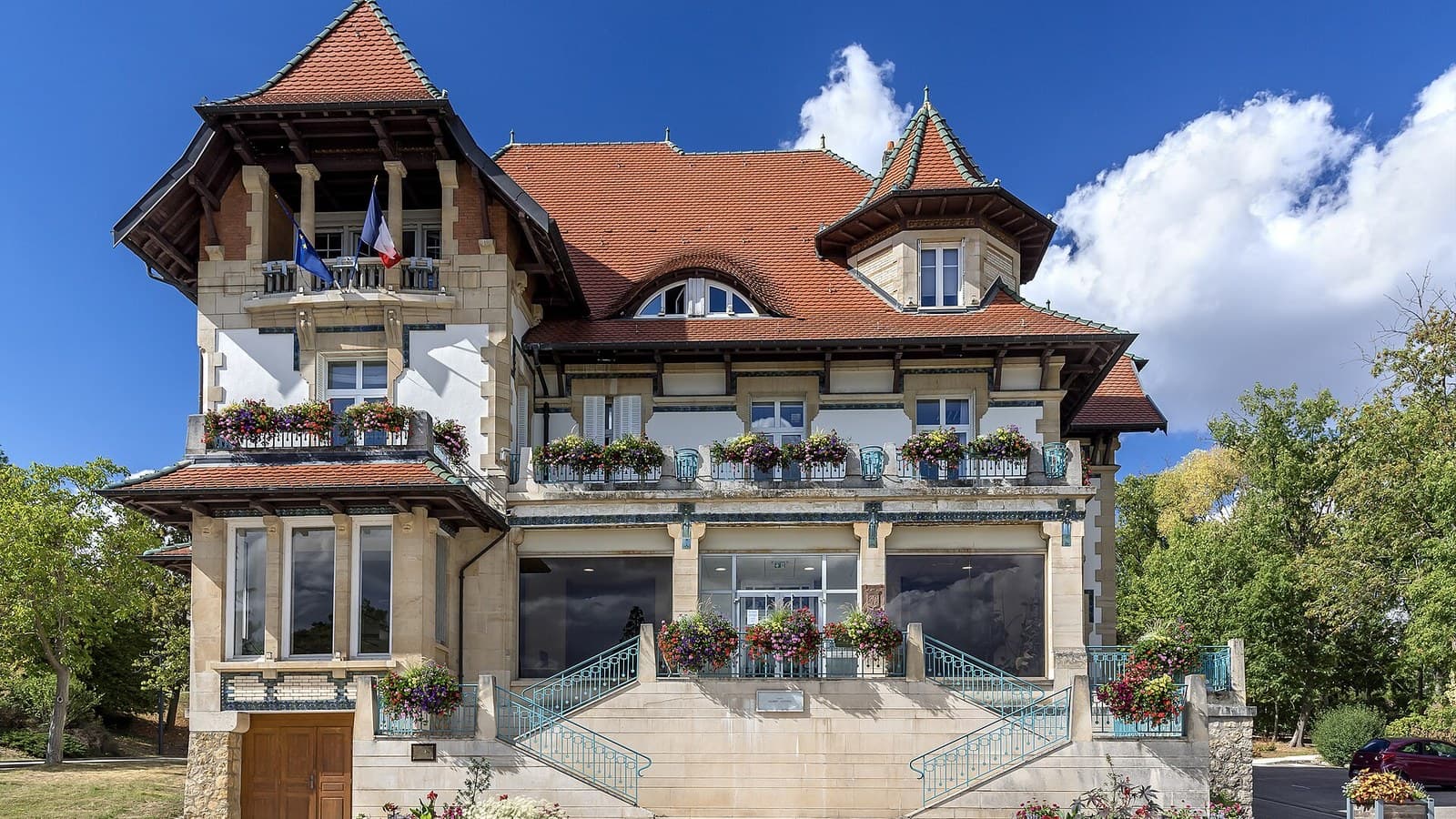
The displayed photograph shows Laxou town hall in 2020. It is geographic context, not Henri's garden, the 1982 observation, an affected plant or event evidence. No authenticated original photograph or video of the reported object is public.